
Key Takeaways
"Quidem voluptas quis" is a frequently encountered Latin fragment originating in the widely used lorem ipsum placeholder text. Though it serves as a helpful design tool, its implications extend beyond aesthetics, impacting areas like accessibility, SEO efficiency, and user experience. Below are the core insights:
- "Quidem voluptas quis" is garbled Latin: Loosely translated to "Indeed, some pleasure," the phrase lacks grammatical accuracy and serves only as nonsensical filler text that mimics natural language patterns.
- Rooted in Cicero’s De Finibus Bonorum et Malorum: Like the broader lorem ipsum text, this fragment originates from Cicero’s philosophical musings on ethics and pleasure, though it has been distorted over time for its placeholder utility.
- Not designed for live applications: Using placeholder text in delivered content can harm user experience, impair accessibility for screen readers, and erode professional credibility.
- SEO concerns with lorem ipsum: Placeholder text risks search engine indexing errors, which can lead to penalties for low-quality content or negatively affect rankings.
- Better alternatives to lorem ipsum: Designers and developers should explore more meaningful and inclusive placeholder text to enhance clarity, usability, and accessibility.
Understanding "Quidem voluptas quis" as part of lorem ipsum's history highlights the broader challenges surrounding placeholder text use in modern digital design. Delving deeper into its linguistic roots and practical implications can help professionals adopt smarter design practices.
Introduction
What lies behind the phrase "Quidem voluptas quis," and why is it pervasive in lorem ipsum? Upon closer inspection, while this fragment may appear rooted in academic Latin, it is a prime example of deliberately constructed nonsense, crafted to mimic the rhythm and distribution of meaningful text. Roughly translating to “Indeed, some pleasure,” it neither adheres to correct grammar nor aims to communicate substantive meaning. Instead, it plays a critical role in separating design aesthetics from content development.
The origins of lorem ipsum, including phrases like "Quidem voluptas quis," can be traced back to the Roman philosopher Cicero’s writings in De Finibus Bonorum et Malorum. Over centuries, these fragments have become essential tools for designers, allowing them to build layouts and test usability without the distraction of finalized content. However, as useful as lorem ipsum might be in drafts and prototypes, its misplaced use in published contexts can create significant complications, including accessibility challenges, user confusion, and SEO pitfalls.
To fully understand its impact, we explore the linguistic underpinnings of "Quidem voluptas quis," its philosophical connections, and best practices to enhance placeholder functionality.
Meaning and Approximate Translation of "Quidem Voluptas Quis"
The phrase "Quidem voluptas quis" may look like classical Latin, but upon analysis, its structure is semantically and grammatically incoherent. Translated roughly as "Indeed, pleasure who," it demonstrates lorem ipsum's primary purpose: to exist as visually neutral text that replicates natural language patterns without imparting meaning.
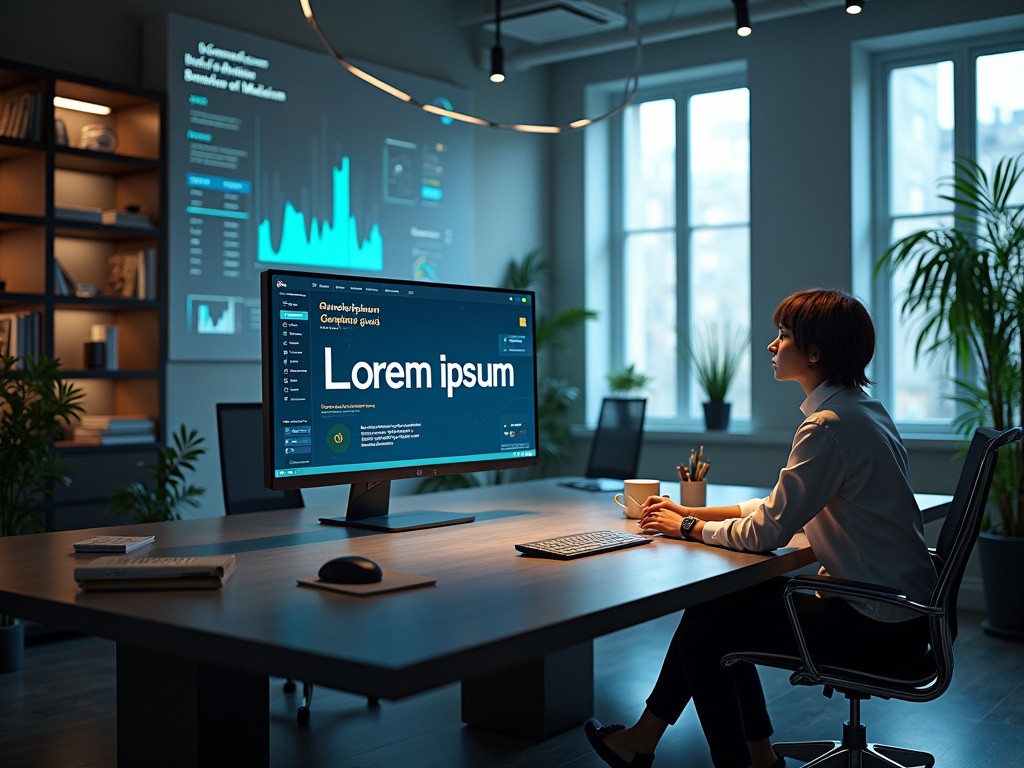
Used in mockups, “Quidem voluptas quis” and similar phrases offer value by filling space with natural-looking text, assisting designers in focusing on layout, typography, and navigation without allowing real content to bias perceptions of the design. This separation of aesthetics from messaging is especially useful in early prototypes, where visual hierarchy and user experience take precedence over complete, meaningful text.
However, the inherent incompleteness of phrases like "Quidem voluptas quis" highlights their limitations. When such text appears in presentations or live environments, its nonsensical nature can disrupt user engagement and professional credibility. Hence, while lorem ipsum remains indispensable for early-stage design work, care must be taken to replace it with meaningful copy as projects progress.
Origin and Connection to Cicero’s De Finibus Bonorum et Malorum
Lorem ipsum, including fragments like "Quidem voluptas quis," traces its roots to Cicero’s philosophical work, De Finibus Bonorum et Malorum (On the Ends of Good and Evil), penned in 45 BCE. This seminal text explored the nature of ethics, pleasure, and human happiness. The recognizable opening line of lorem ipsum—“Neque porro quisquam est qui dolorem ipsum quia dolor sit amet”—originates from this work but was heavily altered to suit typographic needs.
As typesetters adapted Cicero’s Latin for placeholder purposes, fragments like "Quidem voluptas quis" emerged as decontextualized, distorted subsegments. These adjustments ensured that lorem ipsum retained the visual harmony of Latin text while shedding its semantic coherence. This transformation enabled its widespread adoption in publishing and design.
Over time, garbled phrases like "Quidem voluptas quis" became staples of lorem ipsum textblocks, valued for their neutrality and flexibility. Their continued use today reflects a blend of historical legacy and practical functionality. However, this same neutrality can backfire when placeholder text is misused, undermining trust, usability, and search engine performance.
SEO and Accessibility Risks of Placeholder Text
While lorem ipsum serves a practical purpose in drafts and prototyping, its use in live environments introduces risks that can compromise both technical performance and user satisfaction. Issues commonly linked to lorem ipsum include:
- SEO Challenges: Search engines may misinterpret placeholder text like “Quidem voluptas quis” as low-quality or irrelevant content. Crawlers rely on meaningful, keyword-optimized text to assess a site’s value accurately. When nonsensical placeholders are indexed, they can lead to penalties, lower rankings, or incomplete indexing of the intended content. Furthermore, pages containing gibberish signal to users and search engines alike that the site is unfinished or unprofessional.
- Accessibility Obstacles: Placeholder text presents significant challenges for individuals using assistive technologies. For example, screen readers reading “Quidem voluptas quis” provide no relevant context, creating a frustrating and inaccessible experience. This issue further alienates users who depend on clear, functional navigation.
- Damage to User Trust: Encountering lorem ipsum in publicly accessible designs—or worse, live environments—can create an impression of negligence or lack of completion, reducing trust in the brand or organization.
By understanding these pitfalls, designers and developers can ensure that placeholder text is confined to behind-the-scenes use, minimizing harm to user experience and search visibility.
Best Practices for Placeholder Text
To effectively integrate placeholder text into workflows while mitigating its risks, designers should follow proven best practices that balance aesthetic needs with functional considerations.
Effective Use Cases for Placeholder Text
- Early Design Stages: Placeholder text works best during the initial design phase when teams evaluate layout, spacing, typography, and visual hierarchy. Tools like lorem ipsum help direct focus to design elements, streamlining review and feedback processes.
- Usability Prototypes: Rapid prototyping often demands placeholder text to showcase navigational functionality or simulate incomplete copy without delaying timelines.
Recommended Alternatives to Lorem Ipsum
Instead of relying exclusively on traditional lorem ipsum phrases like "Quidem voluptas quis," professionals can elevate their designs with alternatives that offer contextual relevance and inclusivity:
- Content-Specific Placeholders: Craft dummy text tailored to reflect the tone, structure, or industry-specific terminology of the final project. For instance, a financial website might use placeholders like “Investment Insights Coming Soon” to retain contextual value.
- Dynamic Content Generators: Tools such as content plugins for design software can populate mockups with realistic placeholder text aligned with intended goals, providing better insights into layout performance.
- Meaningful and Inclusive Alternatives: Replace fragments like "Quidem voluptas quis" with clear, inclusive phrases such as “Your headline will go here.” These alternatives are accessible, intelligible, and user-friendly.
Adopting these practices fosters a more dynamic and user-centered design process, ensuring placeholder text remains essential in development while aligning with modern standards.
Conclusion
The enduring presence of lorem ipsum, exemplified by the fragment "Quidem voluptas quis," showcases its historical significance and functional value in design. However, its nonsensical character underscores its limitations when used improperly in live content. From compromising SEO rankings to alienating users who rely on accessible interfaces, the risks of lorem ipsum exceed its benefits if it transitions beyond its intended purpose.
To meet the demands of today's inclusive digital environment, professionals should rethink placeholder usage. By leveraging contextual alternatives, adopting dynamic tools, and prioritizing accessibility, designers can create mockups that blend form and function seamlessly. Moving forward, the era of mere placeholder text can give way to smarter solutions—ones that preserve design integrity while delivering user-centric experiences suitable for an increasingly diverse audience. Now is the time to elevate the design process, bridging the gap between aesthetic intention and practical implementation.